

Gutter and Downpipe Repairs You Can Do Yourself
Your home's exterior is constantly smashed by the elements. This includes wind and rain. During storms, the guttering can be damaged and need repairs.
To repair leaks in the gutter ends first, clean the area and clean off any paint or rust. To create the new seal, apply roof and gutter sealant.
Leaks
Gutters are responsible for collecting rainwater and redirecting it to the side of your home. But, if they fail, they could cause damage that is not expected. This damage could be immediate, like spots of damp or peeling paint, or it could cause a gradual deterioration by washing away soil in your garden or corrosion of window frames and fascias. It's possible to fix gutter leaks on your own.
The first thing you'll want to do is clear of any obstructions that could be causing the leak. If the leak is caused by a hole or a crack in the gutter, you can fix it using roofing cement. Remove the end cap, and clean the area around it prior to applying the patch. You should also make sure you're working in a safe manner by clearing any obstacles that might hinder you from climbing the ladder.
Damaged gutter seams are another frequent cause of leaks. Leaks at gutter joints may occur when caulk or tar is damaged by weathering expansion or contraction or due to corrosion. It is possible to fix the leak in your gutters by cleaning it and scraping away any caulk or tar that is old before applying a new caulk. You should ensure that you are using caulk specifically designed for gutters, and apply it in a long overlaid strip.
It's also a good idea to inspect the integrity of your gutters on a regular basis. Consistent gutter cleaning will help to prevent the development of leaks and blockages. from developing, as is monitoring the condition of your downpipes regularly.
If you find that your downpipes are leaky at their junction with guttering, it's likely that they've been split, or cracked by the pressure of rainwater flowing. Repairing these leaks is possible by using gutter sealant, which is readily available at many DIY stores and trade counters. Apply the sealant in an extensive overlaid strip on both the outside and inside of the guttering. After the sealant has been applied then you can look for leaks. You can do this by flushing the gutters with a bucket or hose.
Loose downspouts
If your gutter downspouts are becoming loose or are pulling away from your home, they must be secured. You may need to install fascia hanger brackets to help the downspout stay in place or replace the downspout itself if it's damaged. You might want to install gutter guards or deterrents in order to prevent debris from entering the drain.
A downspout that isn't working could be the result of cracks or a break in the gutter. If you're able repair the issue yourself, it is best to consult an expert to ensure that the repair has been completed correctly.
Clogs are a common issue with gutter downspouts. This could be due to large particles of debris getting trapped in a downspout or smaller particles like leaves and twigs that fall into the pipe over time. This can cause the downspout to clog and eventually overflow.
Clogs can be avoided with regular cleaning and maintenance. If the debris is too excessive, it could be necessary to replace the gutter system.
grays Guttering and Downpipe Services is another kind of downspout that tends to clog. The turns that these pieces of steel make could be magnets for debris, particularly when they weren't put back tightly enough the last time they were cleaned.
If your downspout is clogged then you must clear the elbows of debris. Then, you can make use of a pressure washer or plumbing snake to get rid of the obstruction. This should be done each year to ensure that the system is working correctly.
Downspouts may also block due to the slope of the gutter system. The downspout might be too close to the foundation based on the slope. This could result in foundation damage by over-saturating the soil around your home. You can fix this by moving the downspout or installing a drainage pipe that diverts water away from the foundation of your home.
The downspout might have become loose due to a broken connector bracket or wall plugs that are missing. It is important to take note of the causes of each problem when cleaning your gutters, so you can repair them when needed.
Pieces of the union damaged
Modern plastic gutters, though robust, do cause leaks at the junctions with the downpipe. These leaks are typically caused by damaged gutter union clips. Based on the type of guttering you have, this could be a simple DIY task, or you could require the assistance of a professional. First clean the joint of any dirt or debris. Make sure that it is completely dry. After the joint is clean make use of a spanner to remove the nut that holds the gutter union clip. If the nut doesn't move, you can make use of a junior hacksaw to cut through the bolt to remove it.
After removing the clip you can employ the wire brush to clean any rust or paint from the surface. After this, you can remove the screw that binds the gutter union to the bracket. Then, you can replace the gasket that insulates with an entirely new one. Alternately, you can use roof-and-gutter sealant in order to fill the holes left by old faulty gaskets.
Gutter unions with flanges are designed to shield the guttering from corrosion by separating the metal parts of the pipes. This can help you save money and reduce the chance of damage and leaks to your guttering and home. Hart Industrial, for example, offers a wide range of gutter unions.
Another cause of leaking gutters is the failure or damage of the stop end. The stop end is vital to ensure that your gutter system is functioning properly. It diverts rainwater away from the guttering and then into the downpipe. If yours is broken or missing then follow the steps above for fixing gutter joints.
You can also stop the gutters from leaking by installing a downpipe clincher or conductor pipe band. They are available at many home improvement stores and will ensure that your downpipe is secured and help keep it in place. You can also put a plastic tarp to prevent water from leaking through the downpipe. This will restrict the flow of water. It may not be the best choice in areas that receive a lot of rain.
Sagging guttering
Gutters are essential in protecting our homes against water damage. But, as with everything else, gutters may become damaged in time. This is typically due to excessive rain or accumulation of leaves that causes them to loosen and sag. In some instances, sagging can be so severe that it may be required to replace the entire gutter system. But, many times sagging can be corrected with a few simple fixes.
The most frequent cause of sagging guttering are hanging gutters that are loose. This is a problem for any type of gutter, but it's more problematic for aluminum gutters, that can easily be bent or damaged. To remedy the issue take off the loose gutter hangers. Replace them with new ones that aren't bent. This should help redistribute the weight of the gutter system and alleviate the sliding.
Another reason why gutters are sagging is that the system has lost its proper slope. This is usually the result of old or ill-fitting gutter spikes, which can be loosened and cause the system to lose its slope. Fix this issue by using a ladder to take out the old spikes and replacing them with new ones that aren't bent.
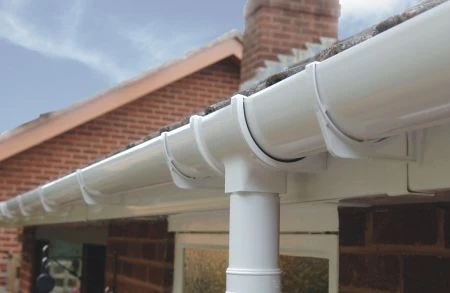
If you notice sagging in a particular part of your gutters, you can try to resolve the issue by adding a second downspout to the area. This will allow water to flow more effectively through the area and ease the strain on the gutters and their hangers.
Sagging guttering is a serious problem for the structural strength of your home, and it's crucial to get any issues dealt with promptly. Regular maintenance, such as cleaning and inspections, will lower the chance of gutters sliding. To avoid costly damage, it's best to call a professional gutter company to address more serious issues. A gutter professional can pinpoint the root of the issue and make the necessary repairs. This will save you time and money in the long run.